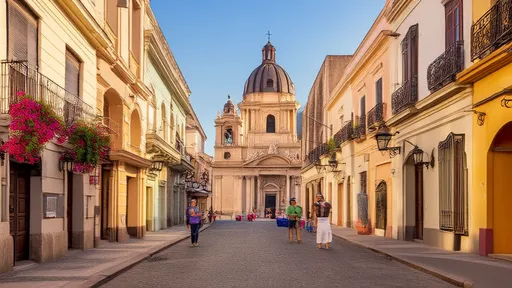
As the morning sun casts long shadows across the cobblestone streets of a small Mexican town, the air fills with the scent of fresh tortillas and the distant sound of a mariachi band tuning its instruments. Later that same day, the same family might be shrieking with a mixture of terror and delight as they plummet down a near-vertical drop on a world-class roller coaster, the wind whipping through their hair. This is the unique and exhilarating duality of a family vacation in Mexico that ventures beyond the all-inclusive resorts, a journey that masterfully weaves the adrenaline-fueled thrills of destinations like Six Flags México with the profound, soul-stirring experiences of the country's rich indigenous and colonial culture.
For many, the idea of a theme park in Mexico might seem like an imported concept, a slice of American entertainment plopped down in a foreign land. However, a visit to Six Flags México quickly dispels that notion. Located in the Tlalpan district of Mexico City, it holds the distinction of being the largest theme park in Latin America. But its significance runs deeper than its size. The park pulsates with a distinctly Mexican energy. The screams of joy from the roller coasters are often punctuated by the lively beats of cumbia or norteño music drifting from a nearby stage where live performers entertain the crowds. Vendors weave through the queues, not just selling cotton candy and soda, but also offering elotes (grilled corn slathered in mayonnaise, chili powder, and cheese) and churros dusted with cinnamon sugar—local flavors that are an integral part of the experience.
The roller coasters themselves are the main attraction, and they do not disappoint. Superman: The Ride offers a classic, air-time-heavy experience, while Medusa Steel Coaster provides a rougher, more intense ride with its intricate layout. Yet, the true standout is often Boomerang, a coaster that launches riders forward and backward through a series of inversions, eliciting genuine, unfiltered screams from children and adults alike. These moments of shared, high-octane excitement create instant family memories. The collective deep breath before the first big drop, the triumphant laughter as the ride slows to a halt, the comparing of notes on which coaster was the most terrifying—these are the bonds that are strengthened amidst the steel and speed.
But a family trip focused solely on thrill rides would be like only reading the climax of a novel without understanding the story that led to it. The true magic of Mexico lies in its cultural depth, which is astonishingly accessible, even from the doorstep of a major theme park. Just a short journey from the park's gates, Mexico City unfolds as one of the world's great cultural capitals. A visit to the historic center, a UNESCO World Heritage site, is a journey back in time. The sheer scale of the Zócalo, one of the largest public squares in the world, is humbling. On one side stands the magnificent Metropolitan Cathedral, built over centuries from the very stones of the destroyed Aztec Templo Mayor, which lies excavated right beside it. This physical layering of history—the Aztec empire literally beneath the Spanish colonial city—is a powerful, tangible lesson for children about the complex tapestry of Mexican history.
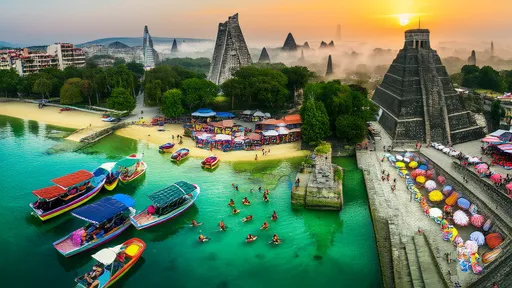
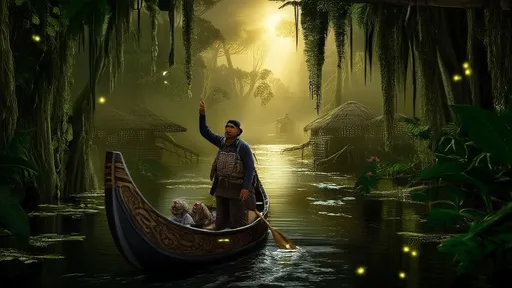
Walking through the ruins of the Templo Mayor, families can imagine the grandeur of the Aztec capital of Tenochtitlan. Later, they can float through the serene canals of Xochimilco on brightly colored trajineras (gondola-like boats), a living remnant of the ancient lake-based agriculture of the Aztecs. Here, the air is filled with the sounds of mariachi bands playing from other boats, and vendors sell everything from corn to handmade crafts. It’s a festive, communal experience that feels a world away from the structured queues of Six Flags, yet both offer a form of transport—one physical, the other cultural and historical.
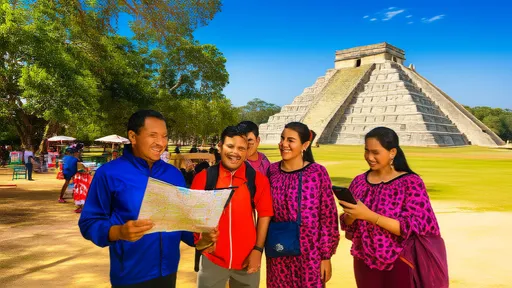
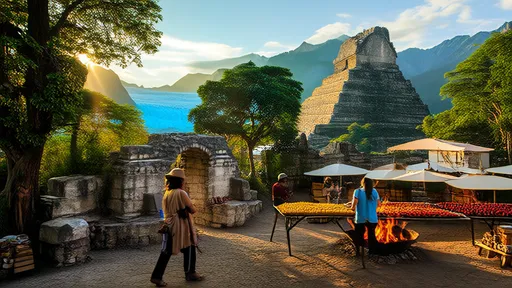
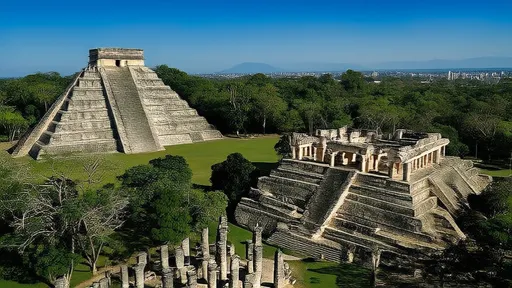
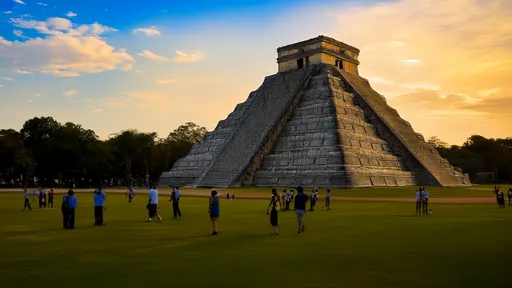
Venturing further afield opens up even more profound cultural encounters. A day trip to the ancient city of Teotihuacán, located about an hour outside Mexico City, is an absolute must. Climbing the massive Pyramid of the Sun is a physical challenge that rewards the entire family with breathtaking views of the Avenue of the Dead stretching out below. It’s an opportunity to talk about pre-Hispanic civilizations, their astronomical knowledge, and their architectural prowess. This isn't learning from a textbook; it's learning by doing, by touching stones placed centuries ago, by feeling the scale of history beneath one's feet. The experience provides a stark and beautiful contrast to the manufactured, instantaneous thrill of a roller coaster, offering a slower, more contemplative kind of awe.
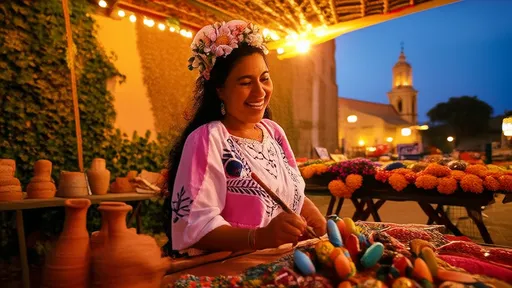
The cultural immersion extends to the palate. Mexican cuisine is a universe of flavors, and exploring it is an adventure in itself. Instead of familiar chain restaurants, families can seek out a local fonda or market. In a bustling market like Mercado de San Juan or Mercado de la Merced, children can be wide-eyed at the array of exotic fruits, the vibrant piles of chilies, and the sizzling comals where tortillas are made fresh. Encouraging kids to try a tlayuda (a large, crispy tortilla topped with beans, meat, and cheese) or a cup of pozole (a hearty hominy stew) is to introduce them to the soul of the country. Even a simple street taco, eaten standing on a crowded sidewalk, can be a more memorable culinary experience than any park meal.
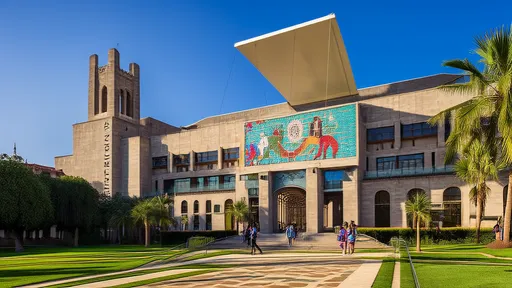
The rhythm of such a vacation naturally alternates between high energy and quiet reflection. One day might be dedicated to the sensory overload of Six Flags, followed by an evening spent wandering the elegant, tree-lined pathways of Chapultepec Park, visiting the monumental Chapultepec Castle, which offers panoramic views of the city and houses the National Museum of History. Another day might begin with the quiet solemnity of the Frida Kahlo Museum (Casa Azul) in the charming neighborhood of Coyoacán, giving children a personal glimpse into the life of one of Mexico's most iconic artists, before heading to the park for an afternoon of rides.
This balanced approach allows for a more nuanced and rewarding travel experience. The roller coasters provide a common ground, a universal language of fun that bridges any gap. The cultural experiences, on the other hand, provide context and depth. They answer the question of where you are, transforming the vacation from a simple escape into a genuine exploration. A child who has climbed an Aztec pyramid in the morning may look at the engineering of a roller coaster loop in the afternoon with a new sense of wonder, connecting modern ingenuity with ancient achievements.
Ultimately, a family holiday that combines the thrills of Six Flags with the rich tapestry of Mexican culture is more than just a trip; it's an education in joy, history, and perspective. It’s about the shared heartbeat of a family on a roller coaster and the shared silence as they gaze upon ancient ruins. It’s about the synthetic sugar rush of park candy and the authentic, complex flavors of mole poblano. By embracing both the modern and the ancient, the exhilarating and the contemplative, families don't just visit Mexico—they experience it with all their senses, creating a mosaic of memories that is as vibrant, diverse, and unforgettable as Mexico itself.
By /Sep 28, 2025
By /Sep 28, 2025
By /Sep 28, 2025
By /Sep 28, 2025

By /Sep 28, 2025

By /Sep 28, 2025
By /Sep 28, 2025
By /Sep 28, 2025
By /Sep 28, 2025
By /Sep 28, 2025
By /Sep 28, 2025
By /Sep 28, 2025

By /Sep 28, 2025
By /Sep 28, 2025
By /Sep 28, 2025
By /Sep 28, 2025

By /Sep 28, 2025
By /Sep 28, 2025

By /Sep 28, 2025

By /Sep 28, 2025
