In the quiet hum of modern kitchens, a surprising battle against bacteria is being waged with an unlikely weapon: the microwave. For years, a practical piece of folk wisdom has suggested that zapping a damp kitchen sponge on high for a minute is a brilliant way to sanitize it, nuking the germs that fester within its porous structure. This method, seemingly too simple to be true, has piqued the interest of homeowners and scientists alike, leading to a fascinating intersection of everyday convenience and rigorous scientific inquiry.
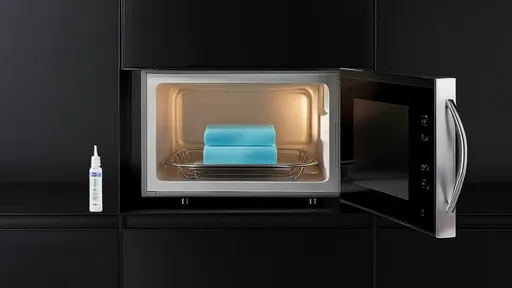
The concept is disarmingly straightforward. A kitchen sponge, a veritable paradise for microorganisms due to its constant contact with food particles and moisture, is thoroughly wetted and then placed inside a microwave oven. Set on high power for approximately sixty seconds, the appliance bombards the sponge with microwave radiation. The resulting steam and intense heat are believed to scour the sponge clean of a significant portion of its microbial inhabitants. It’s a quick, cheap, and seemingly effective hack that requires no special chemicals or equipment beyond what most already own.
But does it actually work? The science behind this method is compelling. Microwave ovens heat food by agitating water molecules. This same principle applies to a wet sponge. The water molecules inside the sponge absorb the microwave energy, vibrating rapidly and generating heat through friction. This process doesn't just create steam; it can raise the internal temperature of the sponge high enough to kill or deactivate a wide range of bacteria, yeasts, and molds. Research, including a well-known study from the University of Florida, has demonstrated that microwaving a sponge can effectively eliminate over 99% of common household bacteria, including E. coli and other potential pathogens, making it as effective as, if not more than, many commercial cleaning solutions.
However, this powerful cleaning technique is not without its critical caveats and potential dangers. The most significant risk is fire. A dry sponge, or one that contains metallic elements like scouring pads, can arc and spark in the microwave, potentially igniting a fire. It is absolutely paramount that the sponge is completely wet—dripping, even—and free of any metal before beginning. Furthermore, the sponge will become extremely hot during the process. One must exercise extreme caution when removing it, using tongs or oven mitts to avoid severe burns. It's also advisable to let the sponge cool down completely inside the microwave before handling it.
Another consideration is the type of sponge itself. Not all sponges are created equal, and some materials may not be microwave-safe. Certain plastics or synthetic materials could melt, warp, or release undesirable chemicals when subjected to such intense heat. It is always best to check the manufacturer's instructions or err on the side of caution. Cellulose sponges are generally considered a safe bet for this method.
Beyond the immediate act of sanitization, this practice invites a broader discussion about kitchen hygiene. The kitchen sponge is arguably one of the dirtiest items in a home, often harboring more bacteria than a toilet seat. Regularly sanitizing it is not just about eliminating odors; it's a crucial practice for preventing cross-contamination and protecting household health. While microwaving is a highly effective method, it is not the only one. Alternatives include running it through a dishwasher cycle (on the heated dry setting) or soaking it in a bleach solution. Each method has its pros and cons, but the microwave stands out for its speed and accessibility.
Despite its effectiveness, microwaving is not a permanent solution for an old sponge. Over time, even with regular sanitization, sponges break down, accumulate grime that isn't removed by heat, and simply wear out. The general recommendation from health experts is to replace kitchen sponges frequently, approximately every two to four weeks, depending on use. Microwaving should be viewed as a maintenance strategy to extend the safe life of a sponge, not a way to make it last indefinitely.
In conclusion, the practice of microwaving a wet sponge for one minute on high is far more than an old wives' tale. It is a scientifically validated, remarkably efficient method for drastically reducing the microbial load on one of our most common kitchen tools. By understanding the simple science behind it and, just as importantly, respecting the critical safety precautions to prevent fires and burns, anyone can harness the power of their microwave for a cleaner, healthier kitchen. It’s a brilliant example of using everyday technology in an innovative way to solve a persistent household problem.

By /Aug 20, 2025
By /Aug 20, 2025
By /Aug 20, 2025
By /Aug 20, 2025
By /Aug 20, 2025
By /Aug 20, 2025
By /Aug 20, 2025
By /Aug 20, 2025
By /Aug 20, 2025
By /Aug 20, 2025

By /Aug 20, 2025

By /Aug 20, 2025
By /Aug 20, 2025

By /Aug 20, 2025

By /Aug 20, 2025
By /Aug 20, 2025

By /Aug 20, 2025
By /Aug 20, 2025
By /Aug 20, 2025

By /Aug 20, 2025
