In the world of culinary arts and nutrition, the preparation of ingredients often holds as much importance as the cooking process itself. Among various food items, dried kelp stands out for its dense nutritional profile and versatility, yet many home cooks struggle with its lengthy rehydration time. Traditional methods often involve prolonged soaking or boiling, but recent insights from culinary science suggest a superior approach: steaming over boiling to preserve nutrients and enhance quality.
The conventional wisdom for rehydrating dried kelp typically involves either extended soaking in water or boiling it directly. While these methods do achieve the desired texture, they come at a cost. Boiling, in particular, can lead to significant nutrient loss, as water-soluble vitamins and minerals leach into the cooking water, which is often discarded. This not only diminishes the health benefits but can also affect the kelp's natural umami flavor and tender texture. For health-conscious individuals and chefs aiming to maximize nutritional intake, this poses a notable drawback.
Enter steaming—a technique that has gained traction for its efficiency and nutrient retention capabilities. When it comes to dried kelp, steaming offers a compelling alternative. By exposing the kelp to steam rather than submerging it in water, the process minimizes direct contact with liquid, thereby reducing the leaching of valuable nutrients. Studies in food science have shown that steaming helps preserve water-soluble compounds like iodine, calcium, and vitamins B and C, which are abundant in kelp and crucial for thyroid function, bone health, and immune support.
Beyond nutrient preservation, steaming also excels in texture enhancement. Unlike boiling, which can sometimes make kelp overly soft or mushy, steaming allows for a more controlled rehydration. The kelp retains a pleasant chewiness and firmness, making it ideal for salads, soups, or stir-fries where texture matters. Additionally, steaming locks in the natural flavors, resulting in a more robust and oceanic taste that boiling might dilute. This method not only saves time—often cutting rehydration from hours to under 30 minutes—but also aligns with modern culinary trends that emphasize both health and efficiency.
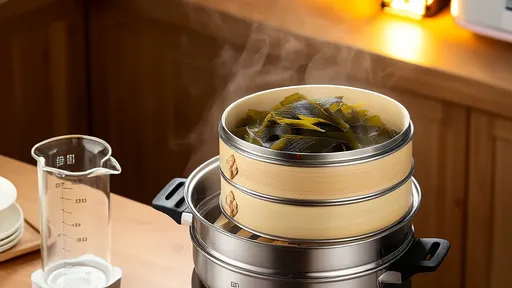
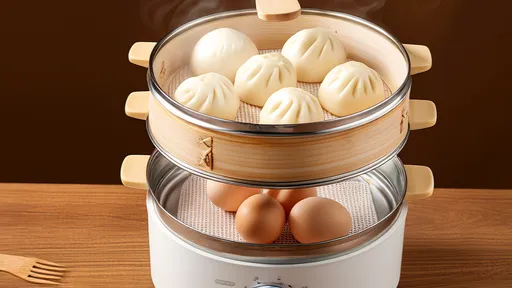
The process itself is straightforward and accessible to home cooks. Simply place the dried kelp in a steamer basket over boiling water, cover, and steam for about 20-30 minutes, depending on thickness. The kelp will gradually soften and expand, ready to be used in various dishes. This method avoids the mess and nutrient loss associated with boiling, making it a practical choice for everyday cooking.
In conclusion, for those looking to optimize their use of dried kelp, steaming emerges as the superior method. It not only safeguards the nutritional integrity of this powerhouse ingredient but also enhances its culinary qualities. As we continue to explore ways to marry health with convenience in the kitchen, such simple yet effective techniques remind us that sometimes, the best solutions are right under our noses—or in this case, right in our steamers.
By /Aug 20, 2025
By /Aug 20, 2025
By /Aug 20, 2025
By /Aug 20, 2025

By /Aug 20, 2025
By /Aug 20, 2025
By /Aug 20, 2025
By /Aug 20, 2025
By /Aug 20, 2025
By /Aug 20, 2025
By /Aug 20, 2025

By /Aug 20, 2025
By /Aug 20, 2025
By /Aug 20, 2025
By /Aug 20, 2025
By /Aug 20, 2025
By /Aug 20, 2025
By /Aug 20, 2025
By /Aug 20, 2025
By /Aug 20, 2025
