In the quiet hum of the modern kitchen, where efficiency and sustainability increasingly take center stage, a simple yet profoundly effective habit is gaining traction among environmentally conscious households: harnessing the residual heat from a boiled kettle to sanitize small kitchen utensils. This practice, born from a blend of traditional thrift and contemporary ecological awareness, represents a micro-solution with macro implications for energy conservation and waste reduction in our daily lives.
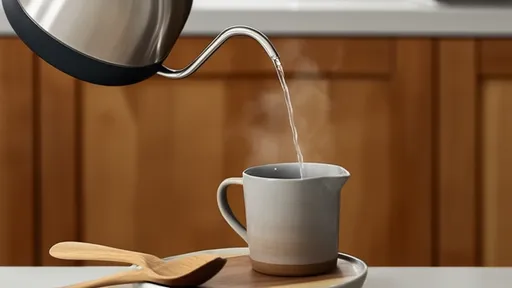
The process is elegantly straightforward. Immediately after boiling water for tea, coffee, or cooking, the kettle, now a vessel of intense thermal energy, is not simply left to cool on its base, dissipating its hard-earned heat uselessly into the air. Instead, its contents are put to a second, immediate use. A colander or a heat-proof bowl is placed in the sink, and the freshly boiled water is poured over small items like whisks, measuring spoons, spatulas, tongs, or even cutting boards. The scalding water effectively blasts away grease, food residues, and a significant portion of surface bacteria, providing a preliminary or even complete clean that drastically reduces the need for hot water from the tap or the energy-intensive cycle of a dishwasher.
The environmental arithmetic behind this habit is compelling, though often overlooked. Consider the energy required to bring a liter of water to a boil. An average electric kettle draws around 2,000 to 3,000 watts. While it is a relatively efficient appliance, that energy is expended for a single task. By utilizing the water immediately for sanitation, we are essentially achieving a second outcome—the cleaning of utensils—with zero additional energy input. This is a pure gain in efficiency. The alternative, washing these items under a running hot tap, consumes a continuous flow of water that must be heated in real-time by a gas boiler or an electric heater, both far less efficient at point-of-use heating than a kettle. Similarly, running a half-empty dishwasher for a few small items is an egregious waste of water, electricity, and detergent.
Beyond the stark numbers on an energy bill, this practice fosters a deeper, more mindful relationship with the resources we consume. It serves as a constant, tangible reminder that energy is not an abstract concept on a utility statement but a tangible force—heat—that can be captured, directed, and used to its fullest potential. It turns a routine moment—waiting for your tea to steep—into an opportunity for purposeful action. This mindfulness, this intentionality in combating thoughtless waste, is perhaps as valuable as the kilowatt-hours saved. It cultivates an ethos of maximal utility, where every joule of energy is respected and put to work.
The benefits extend beyond the ecological and the philosophical into the practical realm of household management. For those living in small apartments or with limited kitchen space, it simplifies the cleanup process. A quick pre-wash with kettle water can loosen stubborn grime, making the eventual hand-washing faster and easier, requiring less scrubbing and less detergent. It is also a boon for quick kitchen turnarounds; while a meal is simmering, the utensils used in its preparation can be sanitized and set aside, keeping the workspace clear and organized without starting a full washing cycle.
Adopting this habit requires no financial investment, no special equipment, and no advanced skills—only a shift in routine. The barrier to entry is virtually nonexistent. It is a classic example of a low-effort, high-impact behavioral change. The key is integration into the existing workflow of the kitchen. Making it a reflexive action, as automatic as turning off the light when leaving a room, is the goal. Placing a designated heat-proof container in the sink before you even start boiling the water can serve as a visual cue, embedding the habit into the ritual of making a hot drink.
While the practice is powerful, it is not without its considerations. Safety is paramount. The water is, of course, at near 100-degree Celsius temperatures and can cause severe scalds. It should be poured carefully, and the utensils being treated should be made of materials that can withstand the thermal shock—stainless steel, silicone, heat-resistant plastics, and solid wood are generally safe, whereas fine glass or delicate ceramics might crack. This method is intended for light sanitation and pre-washing; utensils that have been in contact with raw meat or are heavily soiled should still undergo a thorough, proper wash with detergent to ensure complete safety.
In a world grappling with the colossal challenges of climate change, it is easy to feel that individual actions are insignificant drops in a vast ocean. The grand solutions seem to lie in sweeping policy changes and transformative green technology. And while those are undoubtedly necessary, the cumulative power of millions of people adopting small, hyper-efficient habits like this one is immense. It represents a cultural shift towards energy intelligence, where waste is systematically designed out of our daily routines. Harnessing the leftover heat from a kettle is more than just a handy kitchen tip; it is a small act of defiance against carelessness, a conscious step towards a more thoughtful and sustainable way of living, one boiled kettle at a time.
By /Aug 20, 2025
By /Aug 20, 2025
By /Aug 20, 2025
By /Aug 20, 2025
By /Aug 20, 2025
By /Aug 20, 2025
By /Aug 20, 2025
By /Aug 20, 2025
By /Aug 20, 2025
By /Aug 20, 2025
By /Aug 20, 2025
By /Aug 20, 2025
By /Aug 20, 2025
By /Aug 20, 2025
By /Aug 20, 2025
By /Aug 20, 2025
By /Aug 20, 2025
By /Aug 20, 2025
By /Aug 20, 2025
By /Aug 20, 2025
